Thank You for Listening! This has been an episode from The FowardED Network—Where we are Advancing Voices and Shaping Education. We are dedicated to supporting everyone invested in K-12 success: teachers, leaders, parents, and community advocates.
Want to keep the conversation going?
- Subscribe: Never miss an insight. Hit the subscribe or follow button on your podcast app to automatically receive our next episode.
- Share the Knowledge: If this episode provided value, please take a moment to rate and review us! Your five-star reviews help new teachers, parents, and leaders find our network.
- Explore the Network: This show is just one part of the ForwardEd Network family. Head over to our network page to explore our full roster of interconnected podcasts, including CTRL Shift Lead, Vice Principal UnOfficed, From Carpool to College, and Your Morning Boost.
- Connect with Us: Have a question or an idea for a future episode? Reach out to us at pillars.forwarded@gmail.com or find us on social media using the tag #theForwardEDnetwork.
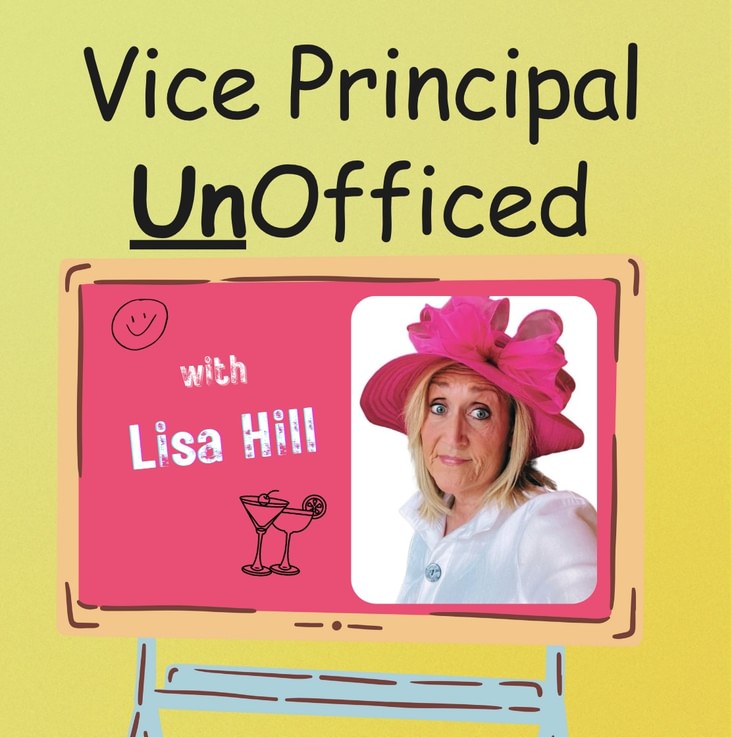
You loved your daily dose of inspiration with your Morning Boost, Now AWB Adventures brings you the complete picture. Bye. Welcome to AWB's Boost Bundle, where we've combined all the valuable insights from this week's episodes into one convenient Listen your leadership deep dive starts now. Feeling the pressure of school leadership, Ready to make a real impact, Then listen to Control Shift Lead, the podcast designed exclusively for all school leaders. This partnership between AWB Education and Inspired Edification will bring you three powerful takeaways in every episode. Something you can control in your work, something that will shift your thinking or practice, And something concrete to help you lead your school and district. Get practical strategies and fresh perspectives to empower your leadership journey. New episodes drop on the first of every month. Search for Control Shift Lead on your favorite podcast platform and subscribe today. All right, good morning, school leaders, and welcome back to your Morning Boost. I am your host, Adam Bush, and I'm wishing you a productive and insightful Monday. Today we're going to dive into a topic that might seem straightforward but holds surprising complexities. That is the idea of math as a universal language. More specifically for our English learner students. We are going to explore why this common assumption can be a pitfall and what specific linguistic challenges eel's face and math classrooms. Drawing some insights from an excellent article by Melissa Grinstead on the AWB Education web page, Fionetta a chance to read that, yet I would strongly recommend it. Okay, welcome back. The phrase math is a universal language often suggests that numbers and equations magically bridge all communication gaps. However, as Melissa expertly points out in her AWB Education article entitled is math really a universal language the EL experience, this isn't quite the reality in our classrooms. While the symbols themselves are consistent globally two plus two equals four everywhere, the language we use to teach, learn, and discuss math is far from universal. For English learners, particularly those new to our schools, US math instruction presents a unique set of linguistic and conceptual hurdles that significantly impact their learning. Administrators often ponder questions like why are our EL students who are strong in math in their home countries struggling here? Or how can we ensure our math curriculum is truly accessible to all linguistic bats backgrounds. The importance of this issue cannot be overstated. When we don't address these linguistic demands, we risk misinterpreting and el student's math struggles as a lack of conceptual understanding when it's often a language barrier. This article really highlights that it's not just about knowing the numbers, it's about understanding the language of numbers. So let's talk about some key takeaways and some actionable insights from Grinstead's article. First, it really helps to deconstruct this universal myth. The article emphasizes that while mathematical symbols are indeed universal, the academic vocabulary, things like some or quotient, the entire discourse of math, which involves explaining, reasoning or interpreting word problems, and even cultural contexts and how problems are presented, these are absolutely not universal. This means assuming prior math proficiency automatically translates to success here is a mistake we should avoid. Second, it's crucial to specific challenges that eels face. They encounter significant hurdles with word problems due to complex sentence structures, and ambiguous vocabulary. Academic math vocabulary itself is a huge barrier. For example, they might no circle but not circumference. Abstract concepts in the demand to explain their reasoning in English also pose considerable challenges. Third Grinstead provides us with effective support strategies. These include explicit academic vocabulary instruction, consistent use of manipulatives to make abstract concepts concrete, systematic scaffolding word problems by breaking them down into manageable parts, promoting collaborative learning using sentence starters, and very importantly, leveraging students' first language as a valuable resource when possible. Finally, a crucial point the article makes is prioritizing conceptual understanding. We need to ensure students grasp the mathematical concept first before demand perfect linguistic articulation, allow them multiple ways to show their understanding, whether it's by drawing or modeling their solutions. The article truly underscores that supporting newcomer els and math requires intentionally bridging the linguistic gap while leveraging their existing mathematical knowledge. You can find this in valuable article again entitled is Math really a Universal Language? The el experience written by Melissa Grinstead. You can find this on the AWB Education website. To search for the title, search for Melissa's work. She has a lot of great stuff there. Okay to recap quickly. Today we explored how the universal language of math isn't so universal when it comes to the language instruction of English learners. We highlighted the critical need for explicit vocabulary teaching, visual aids, scaffolded word problems, and valuing student's first language to truly support their mathematical journey. Think about a student named Sarah, a bright new student from honder Us. She might understand the concept of multiplication perfectly in Spanish, but when a word problem uses product or factor in English, the linguistic barrier can obscure her conceptual brilliance. When we consciously integrate language support strategies, we empower students like Sarah to not only solve equations, but also truly understand, explain, and engage with the beauty of mathematics. Thank you for listening. I hope you have a wonderful Monday. Again. Check out that article if you get a chance, and check out some of Melissa's other work. It's fantastic she is certainly an expert when it comes to providing great instruction for our English language learners. But once again, thank you for listening. Have a wonderful day. We'll talk with you again tomorrow. Good morning, dedicated school leaders, and a very happy Tuesday to you. Welcome back to your morning Boost. Today we're going to tackle a sensitive but critical topic, and that is how to effectively support students from broken homes. The challenge lies in approaching these situations with genuine empathy, ensuring our support is robust, but doing so without inadvertently lowering academic rigor or expectations for these students. It's a delicate balance, and we're going to discuss some strategies to try to achieve it. Okay, so supporting students navigating the complexities of a broken home environment requires a nuanced and thoughtful approach. It's easy to feel the pull to lessen demands, but our role as educators is to provide stability, high expectations, and unwavering support ensuring these students were receive the best possible education. This isn't about giving a pass, it's about building bridges. So let's dive into some strategies to maintain rigor while offering deep empathy right away. It's vital to establish a culture of psychological safety in our schools and in our classrooms. We want to create an environment where students feel safe to express themselves, knowing they won't be judged. This encourages them to communicate when they're struggling, which in turn allows us to offer more targeted support. Make it a practice to regularly check in with students, not just about their academics, but about their overall well being. Second, consider flexibility, not lowered standards. Instead of reducing the difficulty of assignments, think about offering flexibility in deadlines or alternative presentation methods. A student struggling at home might genuinely need an extra day for a project, or the option to present verbally instead of a written report, all without compromising the intellectual will challenge of the task itself. Another strategy here is to connect within external resources our schools. We have counselors, social workers, community liaisons. There are a lot of people out there that can try to help with a family situation. Familiarizing ourselves with the available external support networks, whether it is family counseling services or food banks or after school programs. All of this is going to help us connect families to these resources, which will significantly alleviate some of the pressures that can manifest into school Now. Consistency and predictability are key for students experiencing instability at home. The school environment can be a crucial anchor. Maintain consistent routines where at all possible, clear expectations, predictable consequences when things don't go well. This structure provides a sense of security and normalcy that might be missing elsewhere in their lives. Lastly, here focus on strengths and building resilience. Identify and celebrate the student's strengths, whether it's academic, social, or artistic. Empower them by fostering self advocacy skills, Remind them of their capabilities, help them develop coping mechanisms to navigate their challenges. All of this process will help build resilience and it's a life skill far beyond academics, which is going to serve our students well into the future. Just remember, the goal isn't to fix their home life. That's most of the time is going to be beyond our scope. But instead we want to ensure that their experiences outside of school don't derail their educational journey or diminish their potential. This empathetic approach, coupled with unwavering academic support, is going to be paramount to success. Okay. To wrap up our Tuesday today, we talked about supporting students from broken homes, and this effectively means offering empathy without sacrificing rigor. It's about creating a safe and predictable school environment, providing flexibility where appropriate without lowering standards, and frankly, connecting students and families with the external resources they need. By focusing on consistency, building resilience, and fostering open communication, we ensure that every student, regardless of their home situation, has the opportunity to thrive academically and personally. Just imagine a student facing daily uncertainty at home finding a reliable sanctuary in the classroom, a place where expectations are clear, support is present, and their potential is recognized and nurtured. That's the impact we strive for. Before I let you go, I do want to give a quick shout out to a couple of other awesome podcasts that are worth checking out if you're looking for more ways to support students and as they prepare for college. Check out Carpool to College with hosts Tracy Amadeo and Tara Horretz. Their show really dives into some of those great tips that can help not only our administrators support parents and students, but honestly parents support their own kids. Great show. Another one I like to talk about and if you're looking for some laughs and a real talk about school leadership, My good friend, doctor Lisa Hill, hosts a show called Vice Principal on Office and I'll tell you what she is, Absolutely hilarious. She shares great stories and tidbits of life as a school assistant, principle, vice principle, you name it, She's done it all. All of these shows. They can be found by searching the name wherever you get your podcasts. Outside of that, thank you for listening. Thank you for joining me on this wonderful Tuesday. I hope you have a great one. We will talk with you again tomorrow. Where is your kid headed after high school? We are from Carpool to College two accomplished educators, college and career consultants and parents. You guide families through the entire journey from freshman year planning to senior year success. Subscribe wherever you get your podcasts. Good morning, Amazing school Leaders, and Happy Wednesday. Welcome to your morning Boost. Today we're going to tackle a classic school debate, the perceived rivalry between fine arts and athletics. As leaders, it is our responsibility to ensure that all students, whether they're scoring touchdowns are perfecting a pirouette, feel equally valued and appreciated for their contributions to our school community. Today, we're going to discuss how to foster an environment where both realms thrive and celebrate each other. Okay, so the idea that fine arts and athletics are in competition for resources, attention, or prestige within a school can certainly create an unnecessary divide. In reality, both contribute immensely to a well rounded education, fostering unique skills and building character. So our role as school leaders is to try to dispel this myth and cultivate a culture of mutual respect and celebration. So here are a few actionable strategies to ensure that all participants are valued. First, we want to ensure equal visibility and recognition for both. If there's a wall of fame for athletes, make sure we've created one for student artists, musicians, and performers. Announce upcoming plays or concerts with the same enthusiasm as major sports events, and highlight artistic scholarships and achievements just as you would athletic ones. Secondly, practice shared resources and facilities. When we're planning for facility upgrades or resource allocation, ensure equitable consideration for both programs. If the gym gets a renovation, explore upgrades for the theater, sound system or art studio supplies. This signals that both are equally important to the school's mission. Third, promote cross program collaboration. Encourage initiatives that blend arts and athletics. For example, could the drama clubf form at a PEP rally? Could art students design posters for sports events? Could musicians perform the national anthems before games to celebrate those accomplishments. These collaborations break down silos and highlight the interconnectedness of different talents. Fourth, demonstrate leadership presence and support. Our visible presence matters significantly. Attend art exhibits, musical performances, and drama productions with the same regularity and enthusiasm as you attend football games. Your attendance signals to students, staff, and the community that you value all extracurricular pursuits. Finally, highlight transferable skills. Regularly articulate how both fine arts and athletics develop crucial life skills teamwork, discipline, dedication, problem solving, resilience, creativity, and communication. These are all honed in both environments. This will help parents and students see the broader education of value beyond this activity itself. Simply by conscientiously promoting a unified front, we create a school environment where every student's passion is celebrated, fostering a richer, more inclusive educational experience for everyone. Okay, to summarize, moving beyond the fine arts versus athletics debate means creating a school culture where both are equally celebrated and supported. This involves ensuring equal visibility, equitable resource allocation, fostering cross program collaboration, demonstrating leadership support through presence, and highlighting the valuable transferable skills learned in all activities. Think of your school as an orchestra, where every instrument plays a vital part in the symphony, whether it's the roar of the crowd for the winning team or the standing ovation for a breakthrough performance. Every student's contribution enriches the entire school. Thank you for listening, Thank you for joining us on this great Wednesday. Hope you have a wonderful middle of your week and we will talk with you again tomorrow. Good morning, innovative school leaders, and a very happy Thursday to all of you. Welcome back to your morning boost. Before we jump into today's topic, I want to quickly remind you about our show Control Shift Lead that is also on the AWB Education Network. This is a show I co host with mister Jim Wichman, and each month we give you something you can control, something that will shift your thinking, and a takeaway to help you lead your team again. You can find it by searching the name wherever you get your podcasts now. Today, we are focusing inward on how you can effectively promote your own work and share your invaluable knowledge and expertise with the broader educational community. It's about moving from being an expert in your school to become being a recognized thought leader, creating a ripple effect of positive change. Welcome back. As school leaders, you possess a wealth of knowledge, practical experience, and unique insights. This experience isn't just for your building. It has the power to inspire and form and assist other educators. And getting your work out there isn't about ego. It's about service and amplifying your impact. So here are some practical ways to promote your work and share your expertise. One effective method is to harness the power of professional networking. Actively participate in professional organizations, not just join them. These can be both in person and online. Attending conferences, joining professional learning communities, and engaging in relevant social media groups will help as well. These platforms are excellent for sharing ideas, learning from others, and identifying opportunities to contribute. Remember don't just consume, create and share now. Another powerful avenue is to start a blog or a blog. A personal blog or video log where you regularly share your thoughts, strategies, and experiences can be incredibly helpful. Platforms like WordPress, Medium, or even a simple YouTube channel can serve as great tools. A short, consistent post each week on a specific leadership challenge or a successful initiative in your school can truly build a significant following over time. Furthermore, look for great contributions and articles many educational websites and publications, including ours at AWB Education, they're always seeking fresh perspectives and practical advice. Reach out to them, offer to write a guest article or a series of blog posts. I know at AWB Education we rarely tell anybody now it's a great way, a fantastic way to reach a wider audience and establish your credibility. You should also seek speaking engagements, conferences, workshops, local professional development events. They always need presenters. Start small, perhaps maybe at a district level training, and then work your way up to regional or even national conferences. Public speaking positions you as an expert and allows for direct engagement with your audience. Finally, another option would be to offer to be a podcast guest podcaster a booming medium and education. Heck, you're listening to one right now. Many podcasts focus on school leadership and would love to have experienced practitioners like you on their show. We at Your Morning Boost are always looking for insightful school leaders to share their perspectives. Just remember that sharing your expertise not only helps others, but also deepens your own understanding and refines your ideas. It's a continuous cycle of learning and contribution to sum up Thursday. Getting your knowledge and expertise out there involves a mix of strategic networking, content creation, and active participation. From writing blog posts and articles to speaking engagements and guest podcast appearances. There are numerous avenues to amplify your voice and impact the broader educational landscape. Think of it as planting seeds. Each piece of advice, every shared success story contributes to a larger garden of educational best practices. Your unique insights are valuable, and the world of education is just waiting to hear them. Thank you for listening. As we stated earlier, if you're looking for a place to get started on this, reach out to us at AWB Education. Quick email to AWB Education at gmail dot com, or check out our webpage at www dot AWB education dot org. We would love to help you share your message with all again. Our goal at AWB is to amplify knowledge, widen reach, and broaden impact. We can try to help you do that too, But thank you for listening. Go out there and do great things again today. We'll be back here again as we talk with you again tomorrow. Hi, I'm doctor Lisa Hill, a longtime educator of nearly forty years as a teacher, counselor, professor, and vice principal. And I've seen just about everything public schools can throw at you, and now I'm sharing my tales on my comedy podcast, Vice Principal Unofficed. It's where school leadership meets laugh out loud. Stories from underwear required parent teacher conferences yes really, to staff launch confessions and more. You won't believe I'm telling it all with humor and a whole lot of heart. I also tackle the serious stuff too, like what schools really need to change and those behind the scene moments no one talks about. So if you're ready to laugh, learn, and maybe even pry little, but mostly laugh, join me and my ninety year old mom, my unofficial co host on Vice Principal Unofficed. New episodes drop bi weekly on Apple podcast, Spotify, or wherever you get your podcast picks. Trust me, this is one detention you'll actually look forward to. Good morning, visionary school leaders, and a fantastic Friday to all of you. Welcome to your morning boost. As we wrap up the week, our focus shifts to professional growth, not just for ourselves, but for our amazing teams. Today we're going to talk about guiding your assistant principles, assistant directors, or any other rising leaders. You have to develop the precise skills and experiences they need for their next career move. It's about being a mentor and consciously cultivating the next generation of leadership. Well, it's easy for us and for our teams to get caught in the daily grind, focusing solely on the immediate demands of the job. However, true leadership involves not only managing the present, but also strategically preparing for the future, both for yourself and for those you lead. The mark of a truly great leader is often measured by this success of those they've mentored. We should actively want our people to leave us for bigger and better things. So here's how to guide your aspiring leaders and how to apply these principles to your own career trajectory. To begin, help them understand the next step requirements, encourage your assistant principles to research the specific requirements for the next level of leadership, whether it's a principleship or a district level role or beyond. What specific skills are listed in the job descriptions, what type of experiences are sought after, help them connect their current responsibilities to those future needs. This means we need to facilitate strategic experience building. Once we have identified those future requirements, proactively assign projects and responsibilities that directly align with them. For instance, of a principal role requires budget management experience, give your AP the lead on a specific budget line item. If curriculum development is key, involve them deeply in a curriculum review process. Another valuable exercise is honestly to conduct a resume gap analysis, and you can do this together. Work with your aps to identify what experiences are missing from their current resume that would make them a stronger candidate for these desired roles. Then collaboratively create a plan to fill those gaps through intentional professional development, committee work, or even specific assignments. Beyond that, be sure to provide targeted feedback and coaching on these as well. Don't just assign tasks. Provide focused feedback on how their performance in these developmental roles aligns with the expectations of the next line. Offer coaching on crucial leadership aspects like presence, strategic thinking, conflict resolution, and communication. Skills. All of these are critical for higher roles. Furthermore, encourage networking beyond the school, just as you might network for your own growth. Encourage your APS to build connections with leaders in other schools and districts. These connections can provide insights into different leadership styles and often open doors to future opportunities. Lastly, for yourself, continuously ask what's my next job? Asking for apply these same principles to your own career. What does a superintendent role require? What experiences are typical for a director of curriculum? When we continuously assess our own skills set against another aspirational role, and seek opportunities to develop these missing pieces, maybe by attending leadership academies, or pursuing certifications, or maybe even volunteering for district wide initiatives, all of these things are going to be prepare us not only for another role, but certainly prepares better for our current role. The goal is to move beyond simply just performing the job, and instead we want to intentionally build a portfolio of experience that demonstrates readiness for advancement. In essence, preparing our team for the next career move and preparing ourselves is about intentional development. It involves understanding the requirements of future roles, strategically building relevant experience, conducting resume gap analysis, providing targeted coaching, and fostering broad networking. This is a proactive approach to career growth, ensuring that both you and your rising stars are not just doing the job, but truly preparing for the job after next. There's immense satisfaction in seeing your mentees ascend to higher positions knowing that you played a part in their journey, and for ourselves, it ensures that we're always growing and ready for what comes now next. Thank you for listening. I hope you've had a wonderful week, and I hope you have an even better weekend ahead of you. We'll be back again on Monday, as always with some more insights as we dive into the Fitting five newsletter from Grunmeyer Leader Services that came out today. If you didn't get that, reach out to us at AWB Education. We'll make sure that we get that on your email list as it comes out every single month. There's a lot of great stuff in that newsletter. But otherwise, like I said, thank you for listening. Have a wonderful Friday. We will talk with you again next week. Thank you for tuning into AWB's Boost Bundle. We trust this collection of your Morning Boost episodes has given you a powerful end to your week. For more daily inspiration and actionable advice, be sure to subscribe to your Morning Boost wherever you get your podcasts. We'll see you next week for more ways to amplify your leadership